
 Equipment




 Music
Music





































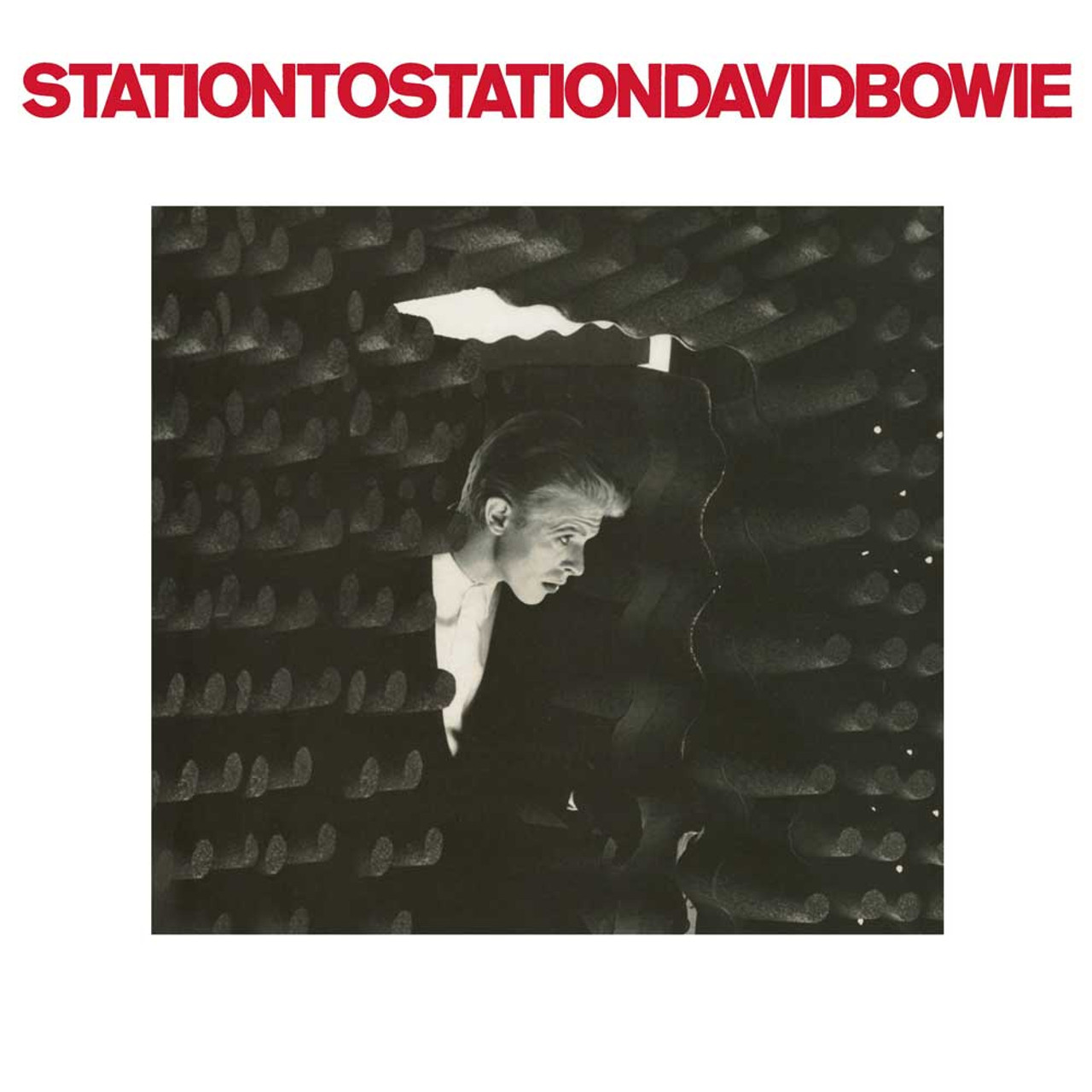
David Bowie Station to Station: 50th Anniversary Half-Speed Master


Full Details
David Bowie's Station to Station Reissued for Its 50th Anniversary Edition on LP: Half-Speed Mastered at AIR Studios from 192Hz Restored Masters of the Original Hit Factory Master Tapes
Originally released in January 1976, Station to Station is the 10th studio album by David Bowie. Recorded at Cherokee Studios, Hollywood, CA with co-producer Harry Maslin, featuring the singles "Golden Years," "TVC15" and "Stay" and was the birth of Bowie's "Thin White Duke" persona. The half-speed master vinyl has been cut at AIR studios London from 192Hz restored masters of the original Hit Factory master tapes.
The album saw Bowie relocate to Cherokee Studio in Los Angeles and incorporate elements of his "Plastic Soul" period, coupled with much more experimental elements, which would become more prevalent over his next couple of albums. The first single from the album "Golden Years," released in November 1975, would give Bowie a top ten single on both sides of the Atlantic. The second single, "TVC 15," would, a decade later, be heard and seen by almost 2 billion people when Bowie chose it to open his set at Live Aid.
The sound of Station to Station was partly influenced by Bowie’s burgeoning interest in the electronic music and driving rhythms of bands coming out of Germany, such as NEU! and Kraftwerk, most notably on the ten-minute title track, while still embracing dancefloor-friendly grooves in songs such as "Stay" and "Golden Years."
Harry Maslin, who had worked with Bowie on some of the tracks on his previous album, Young Americans, was chosen as Bowie’s co-producer. They entered the studio in September 1975 with a tight stripped-down band featuring Carlos Alomar & Earl Slick on guitars, George Murray on bass, Dennis Davis on drums, David’s Childhood friend Geoff MacCormack (under the nom de plume Warren Peace) on backing vocals and on loan from Bruce Springsteen’s E-Street Band, Roy Bittan on piano and organ. Maslin has since said that the vocals on the standout track "Wild is the Wind" and "Golden Years" were both Bowie’s first takes.
Ten days after the album’s release, David started the Isolar Tour, which visited over 65 dates in 11 countries and is cited as being hugely influential for its use of banks of fluorescent white light set against black backdrops. At the end of the tour, Bowie started work on Iggy Pop’s debut solo album, The Idiot, when the pair and producer Tony Visconti moved to Berlin to mix the record. David settled there, ready to begin his next groundbreaking musical adventure.
Track Listing
Side One:
- Station to Station
- Golden Years
- Word on a Wing
Side Two:
- TVC 15
- Stay
- Wild is the Wind

